
Foods That Naturally Increase Breast Milk Supply

“How nice ah if got a magic potion I can drink and suddenly can have enough milk to feed my bb and then got extra to make milkshake oso”. Alright, maybe not every mummy thinks that…but here at ReLacto, we think of a world where breastmilk flows in abundance and no baby is left in want.
While there is no “magic elixir” that can help you increase your breast milk supply, some meals have been believed to help. There is plenty of anecdotal evidence supporting the usefulness of galactagogues – foods that increase breast milk supply.
So, if you believe your breast milk production could benefit from a boost on top of a healthy and balanced diet, here are some foods that are said to provide such a boost which you can consider adding to your existing diets. However, do remember that as with all things biological, something as complicated and magical as producing an increased amount of breast milk will take some time and is not an overnight phenomenon.
Now, then, without further ado, let’s do further with these following foods that naturally increase breast milk supply!
Garlic
Garlicky breast milk may encourage newborns to latch on for longer lengths of time. Because an increase in breastfeeding may result in an increase in nursing women’s breast milk supply, garlic may be a galactagogue. Did you know that garlic is such an effective galactagogue that it may be found in practically every Asian breastfeeding food package? Of course, this includes ours!
How to:
- Consume them raw (about two cloves per day).
- Garlic can be used to enhance the flavour of any item you eat or cook.
- Add some minced garlic to the mashed potatoes before blending to the desired consistency.
- Make a cup of tea by boiling a garlic pod in water for a few minutes and then adjusting the flavour to your liking.
Remember that garlic should be used in moderation because it has a strong flavour and odour that can enter breast milk. While the majority of babies enjoy the flavour, others do not. Make sure to follow your child’s lead.
Fenugreek Seeds
For decades, galactagogues have been made from fenugreek seeds all over the world. There isn’t much scientific evidence to support why fenugreek seeds work, but some feel it has something to do with the plant oestrogens found in them, which are comparable to those found in fennel seeds.
How to:
- Fenugreek seeds should be soaked overnight before draining and consumed the next day.
- Grind them and sprinkle some on top of your meat, vegetables, or curry.
Fennel Seeds
Fennel seeds suppress dopamine’s inhibitory effects on breast milk production. This results in increased breast milk production and smoother milk flow. Plant oestrogens found in fennel seeds are also thought to aid nursing moms in producing more breast milk. It is also said to increase mammary growth.
Did you know that fennel is high in iron and may enhance postpartum mothers’ haemoglobin levels? Because iron does not transfer from a mother’s diet to her breast milk, increasing iron levels in one’s breast milk will not result in an increase in iron levels. However, merely including them into their diet will assist postpartum mothers! We’d think that’s a definite bonus!
How to:
- Grind them up and add them to salads, soups, stews, porridges, and other dishes.
- A tablespoon of fennel seeds can be added to batter for baked items such as bread and pancakes.
- Raw fennel seeds can be mixed into warm milk or brewed into tea.
- Soak a teaspoon of fennel seeds overnight in a glass of water and drink the next morning.
Moringa Oleifera
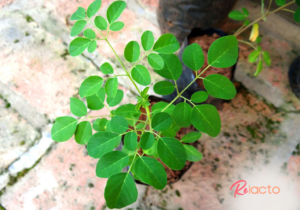
While most galactagogues are supported by anecdotal data, Moringa’s effectiveness has been scientifically validated by a number of clinical trials over the last decade. Moringa has been shown in studies to boost breast milk supply by raising the levels of prolactin (the hormone in your body responsible for the production of breast milk).
How to:
- Fresh moringa leaves can be cooked or stir-fried as a vegetable meal.
- Moringa leaves can be used in your favourite guacamole recipe.
- Garnish salads, soups, curries, and other foods with fresh moringa leaves.
- By steeping powdered moringa leaves in water, you can make tea.
Moringa oleifera, often known as the drumstick tree, horseradish tree, or ben oil tree, is a multipurpose tree native to North India. It is often recognised as the world’s most nutrient-dense food. Almost every component of the tree is consumed or utilised in herbal treatments.
Ginger
Ginger has long been known to aid in blood flow and circulation – the process by which the heart circulates blood throughout the body. Ginger helps reduce blood pressure, making blood flow easier. Improved blood supply and circulation contribute to increased breast milk production.
How to:
- Fresh, raw ginger slices can be added to a variety of foods that you eat or make.
- Ginger can be added to any cake batter, bread dough, or cookie dough.
- Before using ginger root in soups, salads, or curry, peel and grate it.
- To create ginger tea, boil 2-3 thin slices of peeled, fresh ginger root in water for a few minutes.
Closing words
So, that seems pretty simple, right? Just incorporate all these ingredients into your lactation diet menu and you’ll be sitting pretty on a goldmine of breast milk supply, right?
Well, yes and no, to be honest. You could simply incorporate and use the aforementioned ingredients into your diets and that may suffice. However, we’d recommend having lactation food Singapore mummies trust – ReLacto Lactation Meals.
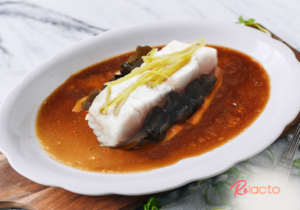
The reason for this is that we have three things that make our brand and food a household name – One, an award-winning chef who will cook all your meals with love and care; two, an in-house professionally certified dietitian who will calibrate all your meals to ensure you get all the nutrition that you require; and three, there are more lactogenic ingredients in our meals than what we’ve listed here!So, at this point, if you are interested and wanting to Google “lactation food near me”, let’s just save you that hassle and point you to our homepage so that you can browse through our mouth-watering menu.