Spicing Up Your Diet While Breastfeeding!
“Aiyoooooo, herbal soup again ah? Why can’t I have something else instead?” Surely, that has happened once or twice, right? Eating the same old thing day after day as your daily meals for breastfeeding because that was what the doctor advised, and that menu has since been set in stone.
We’ll let you in on a little secret…did you know that healthy, lactation-friendly food can also be tasty and can have variety? That’s right, we’re here to liberate you from your bland, repetitive meals!
Benefits and Reasons for Adding Herbs and Spices During Breastfeeding
It has been said that herbs like fennel, fenugreek, and moringa, among others, have traditionally been able to boost milk production or reduce inflammation, which supports smoother milk flow.
According to studies conducted in the 1990s and early 2000s, flavours and smells from a mother’s diet can pass into breast milk. This means that infants can taste these flavours during feeding. Researchers also found that not only nutrients but also flavour compounds are transferred. In one study, babies latched longer when their mothers consumed garlic before breastfeeding, especially during the initial breastfeeding session.
In simple terms, this means:
- Flavours from your diet can enter your breast milk
- Your baby can taste these flavours during feeding
- Early exposure helps babies get used to different tastes
In most cases, adding spices and flavour to your diet can result in more flavourful breast milk. This helps expose infants to a wider range of tastes, which may make it easier for them to accept different foods during weaning.
Over time, this can help:
- Build a more adaptable palate in your baby
- Reduce resistance when introducing solid foods
- Encourage acceptance of a wider variety of flavours
This happens because breast milk is directly influenced by the mother’s diet. When mothers eat a variety of cuisines, babies are gradually introduced to these flavours through feeding. With repeated exposure, babies become more familiar with these tastes and, by around six months of age, may begin to develop similar food preferences.
Things to Keep in Mind While Breastfeeding
Be mindful of your diet, as what you eat may influence your baby’s preferences over time. For example, frequent consumption of fast food or sugary treats may shape your child’s taste preferences as they grow older.
It is also worth noting that babies are already exposed to flavours through the placenta during pregnancy, so these early exposures can continue during breastfeeding.
Studies have shown that a mother’s diet while breastfeeding can affect not only the taste of breast milk but also its nutritional composition. For instance, higher fish intake has been linked to increased levels of Omega-3 DHA in breast milk.
While adding flavour to your diet can be beneficial, it is important to practise moderation:
- Excessive spicy food may alter the taste of breast milk
- Too much chocolate may lead to restlessness or irritability in some babies
- High caffeine intake may affect your baby’s sleep and behaviour
It is best to observe your baby’s reactions. If your baby tolerates or enjoys the flavours, there is usually no issue.
For caffeine intake, a general guideline is:
- Limit to about 1–2 cups of coffee per day
- Equivalent to around 200–300 mg of caffeine
As babies process caffeine more slowly than adults, excessive intake may lead to fussiness or sleep disturbances.
What Foods to Limit While Breastfeeding
While there are no strict restrictions, some foods should be consumed in moderation:
- Caffeine (coffee, tea, chocolate)
- Highly processed or sugary foods
- Very spicy or oily foods (for sensitive babies)
A balanced, varied diet remains the most important approach.
Spices & Foods While Breastfeeding: What to Enjoy vs What to Limit
|
Category |
Enjoy in Moderation |
Limit Intake |
|
Spices & Herbs |
Ginger, turmeric, fennel, fenugreek, moringa |
Excessively spicy or heavily seasoned food |
|
Beverages |
Warm herbal drinks, soups |
Coffee, tea, high caffeine drinks |
|
Snacks |
Homemade, nutrient-rich snacks |
Highly processed or sugary foods |
|
Flavour Exposure |
Variety of cuisines to expose the baby to different tastes |
Repetitive unhealthy food patterns (fast food, high sugar) |
Added Value
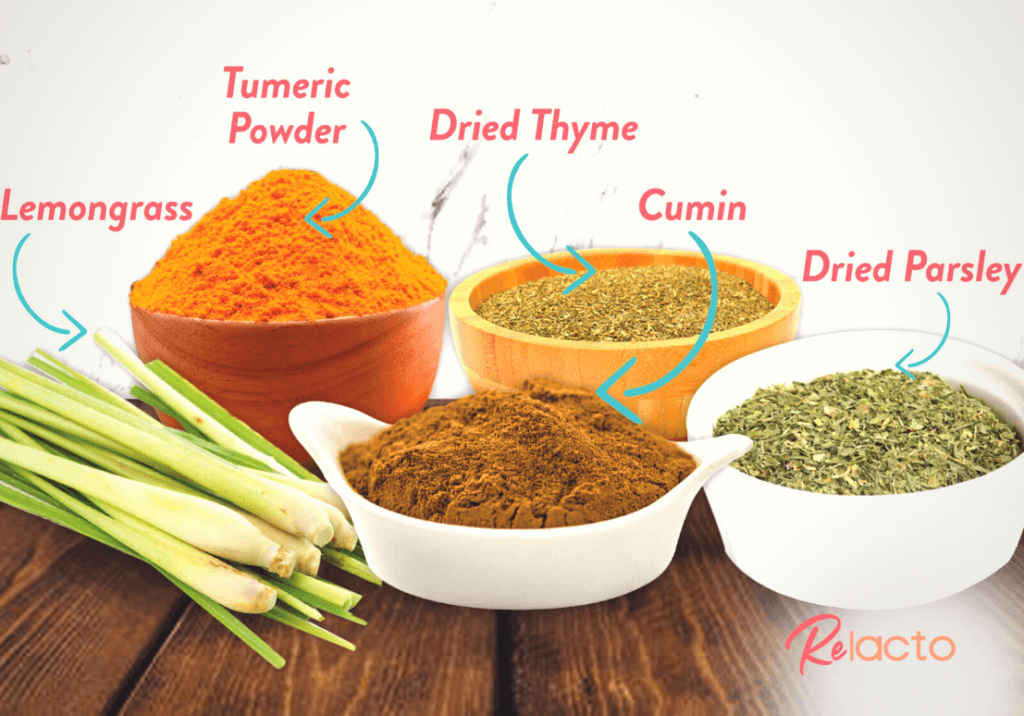
On the plus side, consuming herbs and spices while breastfeeding works to help you recover, too. Of course, there will be some things that your doctor recommends you stay away from, depending on your health condition, so don’t go wild and eat everything in sight.
At ReLacto, you can always let us know if there are any concerns about your diet you would like us to note. Nevertheless, for starters, look for herbs and spices that promote healing, like our aforementioned turmeric and ginger, which are traditionally known to help to dispel wind from your body.
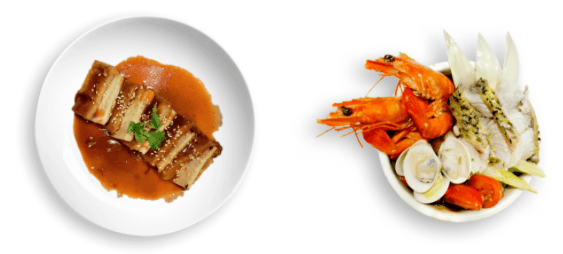
Every herb that we have mentioned earlier can be found in our very own breastfeeding diet plan menu. That is how much we believe in its ability to make healthy food that tastes good. We make all our dishes and lactation meals Singapore with the planning and approval of our in-house dietitian.
On top of that, for the environmentally conscious, we pack all our food in eco-friendly containers. For those who are breastfeeding, our menu is also breastfeeding-friendly.
If you or any of your friends are interested in learning more about some of the best lactation meals you can have while nursing, feel free to look through our breastfeeding diet plan menu here, ring us up at +65 6360 1000, or drop us an email here.
Frequently Asked Questions (FAQs)
Can breastfeeding mothers eat spicy food?
Yes, breastfeeding mothers can eat spicy food in moderation. Flavours from food may pass into breast milk, but most babies tolerate it well.
Does what I eat affect my breast milk?
Yes. Research shows that flavours, smells, and nutrients from a mother’s diet can pass into breast milk and be experienced by the baby.
Will spicy or strong-flavoured food upset my baby?
In most cases, no. However, some babies may be more sensitive. It is best to observe your baby’s reaction after feeding.
Can eating herbs help increase breast milk supply?
Some herbs, such as fenugreek, fennel, and moringa, are traditionally believed to support milk production, though results may vary among individuals.
Can my diet influence my baby’s food preferences?
Yes. Early exposure to different flavours through breast milk may help babies accept a wider variety of foods during weaning.
Should I avoid all herbs and spices while breastfeeding?
No. Most herbs and spices are safe when consumed in moderation and may even support recovery.
When should I consult a healthcare professional?
If your baby shows persistent symptoms such as rashes, fussiness, or sleep disturbances after feeding, it is best to seek professional advice.