
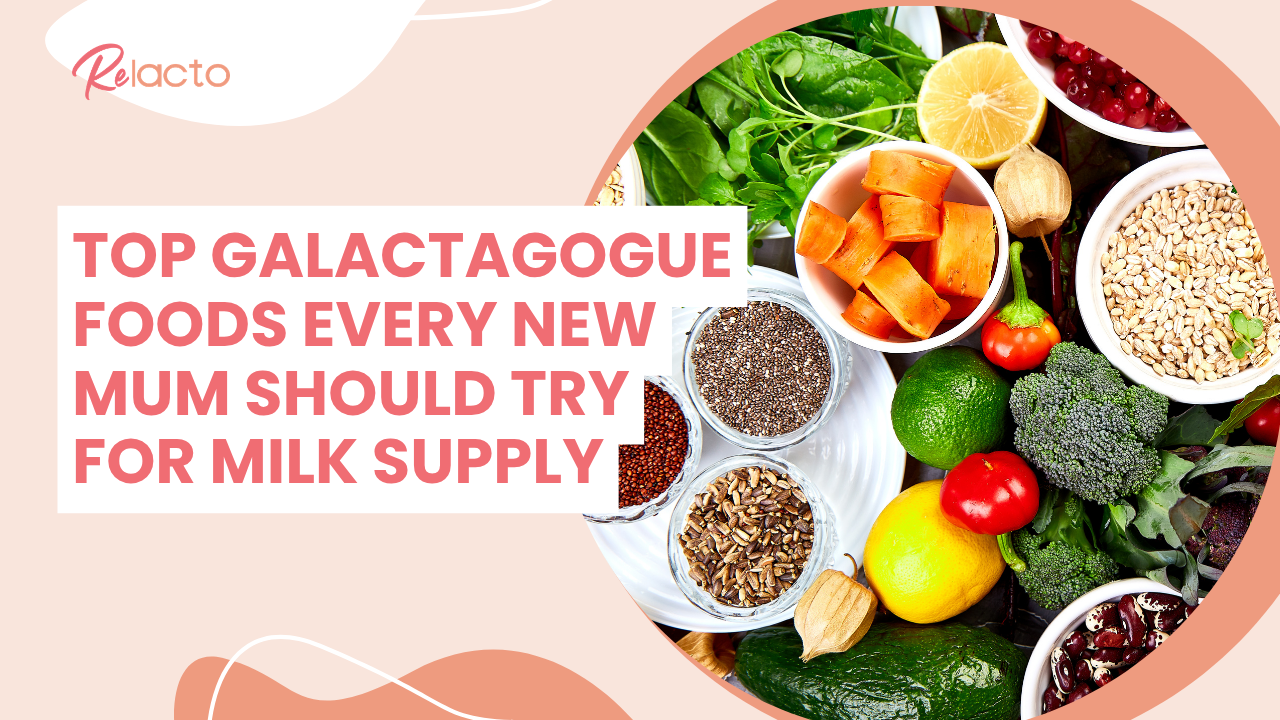
Top Galactagogue Foods Every New Mum Should Try for Milk Supply
Looking for galactagogue foods for new mums to support your breastfeeding journey? You may have come across ingredients such as green papaya, oats and fenugreek that are traditionally associated with breast milk production.
Breastfeeding can take a lot out of you, especially during the early postpartum weeks when your body is also recovering from childbirth.
But do galactagogues really increase milk supply?
While some mums find certain foods helpful, there is no single food proven to increase breast milk production instantly. Milk supply is influenced by many factors, including how frequently and effectively milk is removed from the breasts.
Still, including nutritious galactagogue foods in a balanced breastfeeding diet is an easy way to nourish your body and support your lactation journey.
What Are Galactagogues?
Galactagogues are foods, herbs, medications or other substances that are believed to help initiate, maintain or increase breast milk production.
You may already be familiar with some commonly mentioned galactagogues, such as oats, fenugreek and green papaya. Many of these ingredients have traditionally been included in postpartum and breastfeeding diets across different cultures.
However, it is important to remember that galactagogues are not a guaranteed solution for low milk supply.
Before turning to supplements or herbal remedies, it is worth looking at other factors that can affect breastfeeding, such as feeding frequency, your baby’s latch and how effectively milk is being removed from the breast.
Do Galactagogue Foods Really Increase Breast Milk?
Research on many food-based and herbal galactagogues remains limited, and their effects can differ from one mum to another.
This means eating a bowl of oats or drinking green papaya soup will not necessarily lead to an immediate increase in milk supply.
Instead, think of galactagogue foods as one part of your overall breastfeeding diet. Many provide protein, fibre, vitamins, minerals and healthy fats that can help nourish your body during postpartum recovery and breastfeeding.
So, rather than focusing on finding a single “milk-boosting” ingredient, aim for a varied, balanced diet while breastfeeding regularly or expressing milk as needed.
6 Galactagogue Foods to Include in Your Breastfeeding Diet
1. Green Papaya
Green papaya is commonly used in traditional postpartum dishes across Asia and is often associated with supporting breast milk production.
It also provides nutrients such as vitamins A and C, making it a nutritious addition to a balanced postpartum diet.
Easy ways to eat it:
- Cook green papaya with fish in a nourishing soup
- Add it to chicken soup
- Enjoy ripe papaya as a snack or dessert
Green papaya fish soup is particularly popular among breastfeeding mums because it combines papaya with a source of protein in one comforting meal.
2. Oats
Oats are an easy ingredient to add to your daily diet. They contain fibre, iron and other nutrients that can contribute to a balanced diet during breastfeeding.
Easy ways to eat them:
- Have oatmeal with fruit and nuts for breakfast
- Prepare overnight oats for busy mornings
- Add oats to homemade muffins or snacks
If you’re short on time after feeding your baby, you can also prepare overnight oats the night before for a quick breakfast.
3. Fenugreek
Fenugreek is one of the best-known herbal galactagogues and is commonly found in lactation teas and supplements.
However, herbal ingredients may not be suitable for everyone and can cause side effects or interact with certain medications. Speak to your doctor or healthcare professional before taking concentrated fenugreek supplements, particularly if you have an existing health condition or are taking medication.
Ways to include it in food:
- Add small amounts of fenugreek seeds to curries
- Use fenugreek leaves in cooked dishes
- Include it as part of a varied diet rather than relying heavily on supplements
4. Garlic
Garlic may already be part of many of your everyday meals, which makes it one of the easiest ingredients to incorporate into a breastfeeding diet.
Besides its traditional association with lactation, garlic adds plenty of flavour to meals without requiring complicated preparation.
Easy ways to use it:
- Add garlic to soups
- Stir-fry it with vegetables and lean protein
- Use it to season fish, chicken or tofu
5. Leafy Green Vegetables
Spinach, kale and other leafy greens provide nutrients such as folate, iron, calcium and vitamins that can contribute to a nutritious postpartum diet.
Rather than thinking of leafy greens purely as “milk boosters”, include them regularly to help your body get the nutrients it needs while recovering and breastfeeding.
6. Nuts and Seeds
Almonds, walnuts, sesame seeds and flaxseeds provide healthy fats, protein and other nutrients, making them convenient additions to meals and snacks.
Easy ways to eat them:
- Keep a small portion of nuts nearby for an easy snack
- Add ground flaxseed to oatmeal
- Sprinkle sesame seeds over cooked dishes
- Pair nuts with fruit or yoghurt
If you have a known nut or seed allergy, choose another nutritious snack instead.
Galactagogue Foods at a Glance
| Food | Nutritional Benefits | Easy Ways to Include It |
| Green papaya | Vitamins A and C | Soups and cooked dishes |
| Oats | Fibre and iron | Oatmeal and overnight oats |
| Fenugreek | Traditionally used for lactation | Curries and cooked dishes |
| Garlic | Flavourful everyday ingredient | Soups, stir-fries and meat dishes |
| Leafy greens | Folate, iron and calcium | Soups, omelettes and stir-fries |
| Nuts & seeds | Protein and healthy fats | Snacks, oatmeal and yoghurt |
What Matters More Than Galactagogue Foods?
Food can support your nutritional needs, but breast milk production largely works on a supply-and-demand basis.
Frequent and effective removal of milk signals your body to continue producing it.
That is why foods that help lactation should be viewed as one part of your overall breastfeeding routine rather than the only solution for increasing milk supply.
If you’re trying to support your milk supply, pay attention to the bigger picture:
- Breastfeed or express milk regularly
- Check that your baby is latching and feeding effectively
- Eat regular, balanced meals
- Drink according to your thirst and keep yourself adequately hydrated
- Rest whenever possible
- Seek breastfeeding support if you continue to have concerns
You do not need to rely on a single “milk-boosting” food every day.
How Do I Know If My Baby Is Getting Enough Milk?
It is common for new mums to worry about milk supply, especially when they cannot see exactly how much their baby drinks during direct breastfeeding.
Rather than judging your supply based only on how full your breasts feel or how much you can pump, look at your baby’s overall feeding and growth.
Signs that can help indicate whether your baby is feeding adequately include regular wet and dirty nappies, appropriate weight gain and growth, and feeding behaviour.
If you’re worried that your baby is not feeding enough, speak to your baby’s doctor, nurse or a qualified lactation professional for an assessment.
Simple Ways to Add Galactagogue Foods to Your Daily Meals
You don’t need to change your diet completely. Instead, try adding these foods naturally to meals you already enjoy.
Breakfast:
Oatmeal topped with fruit, nuts or seeds.
Lunch:
Green papaya fish soup with vegetables and rice.
Snack:
Fruit with a small handful of nuts or yoghurt topped with seeds.
Dinner:
Chicken, fish, or tofu paired with garlic-stir-fried leafy vegetables and whole grains.
The goal is not to squeeze as many galactagogues as possible into every meal. A varied diet that provides enough energy, protein, vegetables, whole grains, and healthy fats is more practical for long-term breastfeeding.
Can I Take Galactagogue Supplements Instead?
Lactation cookies, teas, powders, and herbal supplements are widely available, but “natural” does not automatically mean they are suitable for everyone.
Herbal products can have side effects, interact with medications or be unsuitable for certain health conditions.
If you’re considering a concentrated herbal galactagogue or supplement, speak with your doctor or another qualified healthcare professional first.
Supporting Lactation Through Your Everyday Meals
Eating well while caring for a newborn sounds simple until you’re actually doing it.
Between breastfeeding, pumping, changing nappies and trying to catch up on sleep, preparing balanced meals every day can quickly become another task on your list.
That’s where having your meals planned and prepared can make things easier.
At ReLacto, our meals are created for mums beyond the confinement period, with dishes designed to support both postpartum recovery and lactation. Our menus include a variety of nourishing ingredients traditionally associated with breastfeeding so that you can focus less on meal preparation and more on yourself and your baby.
If you’re looking for the best foods to eat while breastfeeding without having to plan and cook every meal yourself, explore ReLacto’s lactation and recovery meal packages and find a plan that suits your needs.
Frequently Asked Questions
What are the best galactagogue foods for breastfeeding mums?
Common galactagogue foods include green papaya, oats, fenugreek, garlic, leafy greens, nuts and seeds. Their effects can vary between mums, so they should be part of a balanced diet rather than relied upon alone.
How quickly do galactagogue foods increase milk supply?
There is no fixed timeframe, and eating a particular food does not guarantee an increase in breast milk. Milk production also depends heavily on frequent and effective milk removal.
Can oats increase breast milk supply?
Breastfeeding mums commonly eat oats and provide useful nutrients such as fibre and iron. However, evidence that oats alone directly increase milk production is limited.
Is green papaya good for breastfeeding mums?
Green papaya is traditionally included in lactation-friendly meals, particularly in Asian cultures. It can also be a nutritious ingredient in soups and balanced postpartum meals.
Do I need galactagogues if my milk supply is normal?
Not necessarily. You can still enjoy these foods for their nutritional value, but there is no need to take special galactagogues solely because you are breastfeeding.
What should I do if my breast milk supply seems low?
Start by looking at feeding frequency, latch and how effectively milk is being removed. If you’re concerned about your baby’s intake or growth, speak with a doctor, nurse or qualified lactation professional.